

thick tempered glass
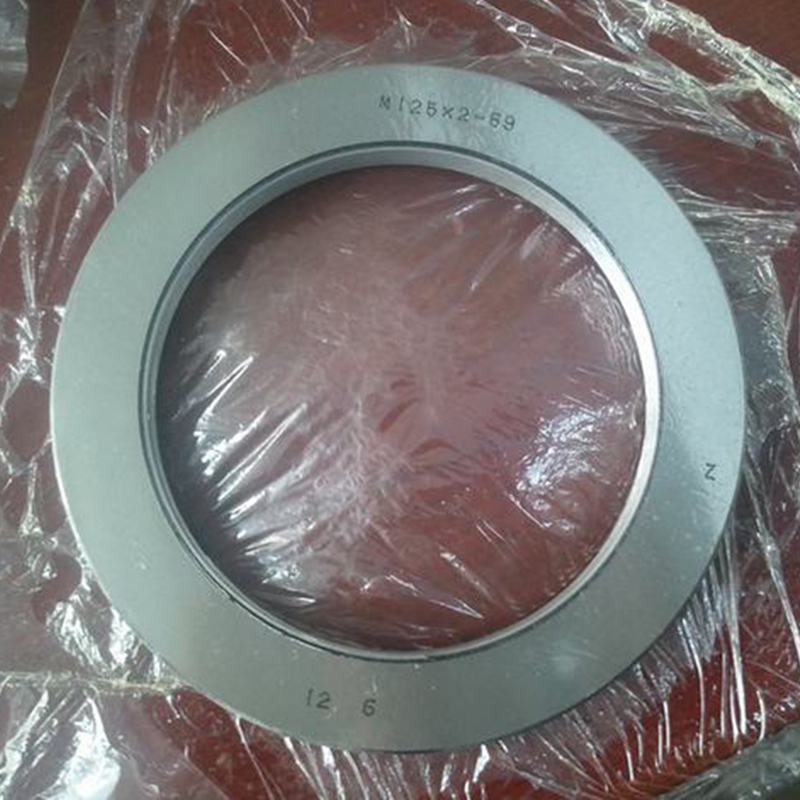
Understanding Ring Groove Gauges Importance and Application in Manufacturing In the realm of manufacturing and engineering, precision is paramount. Every component must conform to meticulous specifications to ensure overall functionality and reliability. Among the various tools that aid in achieving this precision are ring groove gauges. These specialized instruments play a crucial role in measuring the dimensions of ring grooves, which are essential features in various machined components, particularly in the automotive and aerospace industries. What is a Ring Groove Gauge? A ring groove gauge is a tool designed specifically to measure the width, depth, and other critical dimensions of grooves that are cut into various materials, often used to seat O-rings or other sealing elements. These grooves are vital because they ensure a proper seal between two components, preventing leaks and enhancing efficiency. Ring groove gauges come in several types, each tailored to different measurement needs. They may be mechanical, digital, or even optical, depending on the required accuracy and the specific application. Mechanical gauges typically consist of a set of precision machined blades that can be inserted into the groove to measure its dimensions, while digital gauges provide direct readings on a display, facilitating a quicker evaluation process. Importance of Accurate Measurements The accuracy of ring groove dimensions significantly influences the performance of a component. If a groove is too shallow or too wide, it may lead to improper seating of the ring, resulting in leaks, decreased performance, or even catastrophic failures in high-stakes applications. For instance, in automotive engines, failing to maintain precise groove dimensions can cause oil leaks, impacting engine performance and potentially leading to costly repairs. Moreover, inaccurate measurements can lead to increased wear and tear on machinery . In applications where high temperatures and pressures are involved, the integrity of seals becomes even more critical. Therefore, manufacturing environments must implement stringent quality control measures, including regular checks using ring groove gauges. ring groove gauge Applications Across Industries Ring groove gauges find applications in a wide range of industries beyond just automotive manufacturing. In aerospace, for example, fuel systems rely heavily on proper groove dimensions to maintain necessary pressurization levels and prevent leaks that could jeopardize flight safety. Similarly, in hydraulic systems, precise sealing is essential for maintaining system pressure and efficiency. Additionally, industries that manufacture household appliances or oil rigs also utilize ring groove gauges. The commonality among these applications is the fundamental need for efficiency and reliability, making ring groove gauges indispensable tools in modern manufacturing. Implementation of Ring Groove Gauges To optimize their effectiveness, manufacturing facilities should consider several best practices in the implementation of ring groove gauges. First, operators should receive training on the correct usage of these tools to avoid measurement errors. Regular calibration of gauges is also important to ensure continued accuracy. Moreover, integrating digital ring groove gauges into the measurement process can streamline operations. Digital tools offer enhanced accuracy and can often store data for further analysis, enabling manufacturers to monitor quality over time and identify potential issues before they escalate. Conclusion In conclusion, ring groove gauges are essential instruments in the toolkit of manufacturers striving for precision and quality in their products. The importance of accurate measurements cannot be overstated, as they directly correlate with the performance and reliability of components across various industries. By understanding the critical role that ring groove gauges play and implementing best practices surrounding their use, manufacturers can enhance their product quality and operational efficiency, ultimately leading to greater customer satisfaction and competitive advantage in the global market.
about
thick tempered glass
The marine industry relies heavily on robust and reliable fluid control systems to ensure the safe and efficient operation of vessels and offshore infrastructure. Among the critical components in these systems are gate valves , which play a pivotal role in regulating fluid flow. This article explores the gate valve types commonly used in marine environments, with a focus on their design, functionality, and specific applications. We will delve into the importance of gate valves in marine systems, highlight the unique features of the 1 1 2 gate valve and 1 1 4 gate valve , and address frequently asked questions to provide a comprehensive understanding of these essential components. Understanding Gate Valve Types in Marine Systems Gate valve types are categorized based on their design, material, and operational mechanisms. In marine applications, the primary gate valve types include rising stem, non-rising stem, wedge gate, and knife gate valves. Each type serves distinct purposes, tailored to the demanding conditions of maritime environments. Rising Stem Gate Valves: These valves feature a stem that rises as the valve opens, providing a visual indicator of the valve’s position. They are ideal for above-deck installations where accessibility and visibility are critical. Non-Rising Stem Gate Valves: Compact and suitable for confined spaces, these valves are often used below deck or in pipelines where vertical space is limited. Wedge Gate Valves: Known for their tight sealing capabilities, wedge-shaped discs ensure minimal leakage, making them perfect for high-pressure marine systems. Knife Gate Valves: Designed to handle viscous fluids or slurries, these valves are commonly used in offshore drilling and ballast systems. Marine-grade gate valve types are typically constructed from corrosion-resistant materials like bronze, stainless steel, or duplex steel to withstand saltwater exposure. Compliance with international standards such as ASTM, ISO, and marine classification society certifications ensures reliability and longevity. The Role of Gate Valves in Marine Applications Gate valves are indispensable in marine systems due to their ability to provide unobstructed flow when fully open and tight shut-off when closed. Their simple yet robust design makes them suitable for a wide range of applications, including: Ballast Systems: Gate valvescontrol the intake and discharge of seawater to stabilize vessels during loading or rough seas. Fuel Transfer Lines: They regulate the flow of diesel or heavy fuel oil between tanks and engines. Cooling Systems: Gate valvesmanage seawater circulation to prevent engine overheating. Firefighting Systems: Quick-acting gate valves ensure rapid water supply in emergencies. The bidirectional flow capability of gate valves eliminates installation orientation constraints, while their low-pressure drop minimizes energy loss. Marine engineers prioritize gate valves for their durability and ease of maintenance, which are critical in remote or harsh offshore environments. Features and Applications of 1 1 2 Gate Valve in Marine Settings The 1 1 2 gate valve refers to a valve with a nominal diameter of 1.5 inches, optimized for medium-flow marine systems. Key features include: Compact Design: Its smaller size allows integration into tight spaces without compromising performance. High-Pressure Tolerance:Constructed from forged stainless steel, the 1 1 2 gate valve withstands pressures up to 600 PSI. Corrosion Resistance: Epoxy-coated bodies and PTFE seals protect against saltwater degradation. In marine applications, the 1 1 2 gate valve is commonly deployed in: Auxiliary cooling lines for generators. Lubrication oil transfer systems. Hydraulic control circuits. Its reliability in frequent cycling operations makes it a preferred choice for systems requiring regular adjustments. Advantages of Using 1 1 4 Gate Valve for Marine Operations The 1 1 4 gate valve , with a 1.25-inch nominal diameter, bridges the gap between smaller and larger valves, offering versatility for specialized marine tasks. Its advantages include: Precision Flow Control: The intermediate size allows fine-tuning of flow rates in systems like fuel injection or chemical dosing. Lightweight Construction: Aluminum-bronze alloys reduce weight without sacrificing strength, ideal for mobile offshore units. Easy Maintenance: Standardized flange connections enable quick replacement or repairs. Typical applications for the 1 1 4 gate valve include: Bilge pumping systems. Compressed air lines. Potable water distribution networks. Both the 1 1 2 gate valve and 1 1 4 gate valve are available in bulk quantities, ensuring seamless supply chain management for large-scale marine projects. FAQ s About Marine Applications of Gate Valve Types What are the primary differences between gate valve types in marine systems? Marine gate valve types differ in design and application. Rising stem valves offer visual position indication, while non-rising stem valves suit space-limited areas. Wedge gate valves excel in high-pressure sealing, and knife gate valves handle thick fluids. How does a gate valve ensure leak-proof performance in saltwater environments? Gate valves use corrosion-resistant materials like duplex steel and precision-machined wedges to create a metal-to-metal seal. Regular maintenance, such as lubricating the stem, further enhances longevity. Why is the 1 1 2 gate valve preferred for auxiliary marine cooling systems? The 1 1 2 gate valve balances flow capacity and compactness, making it ideal for cooling lines where space and moderate flow rates are critical. Its forged construction resists thermal expansion. Can the 1 1 4 gate valve be used in high-vibration marine environments? Yes. The 1 1 4 gate valve ’s robust design and flange bolting withstand vibrations common in engine rooms or pump stations. Are gate valve types compliant with international marine safety standards? All gate valve types discussed meet ISO 5208, ASTM A216, and classification society standards (e.g., DNV, ABS), ensuring compliance with global marine safety regulations. In conclusion, gate valves are vital to marine operations, with gate valve types tailored to specific needs. The 1 1 2 gate valve and 1 1 4 gate valve exemplify precision engineering for maritime challenges. As a manufacturer specializing in bulk production, we ensure these components deliver unmatched reliability, durability, and compliance, empowering the marine industry to navigate the world’s waters with confidence.
-

High quality industrial productsagement

High quality industrial products
View Details -

Meet the diverse needs of customers

Meet the diverse needs of customers
View Details -

Strict quality control

Strict quality control
View Details -

Top raw materials

Top raw materials
View Details -

Trusted supplier

Trusted supplier
View Details
Our application


news and information
y strainer pn16
Understanding Y-Strainers and Their Importance in PN16 Applications In industrial applications, flui

Using Cast Surfaces for Precision Plate Fabrication and Measurement Techniques
The Importance of Cast Surface Plates in Precision Manufacturing In the realm of precision manufactu

y strainer steam trap
Understanding Y-Strainer and Steam Traps Essential Components in Fluid Management In industrial syst
 English